Best Timing for Retaining Wall Installation
Determining the best time for retaining wall installations involves considering weather conditions, soil moisture levels, and project complexity. Typically, dry and mild seasons provide optimal conditions for excavation, curing, and material handling, reducing potential delays and issues.
Spring and early fall are often preferred due to moderate temperatures and lower precipitation, which facilitate construction and curing processes.
Avoiding periods of heavy rain or extreme heat helps prevent soil erosion, material warping, and curing problems, ensuring durability.
Dry soil conditions improve excavation and foundation stability, essential for long-lasting retaining walls.
Scheduling during seasons with predictable weather allows for better project management and resource allocation.
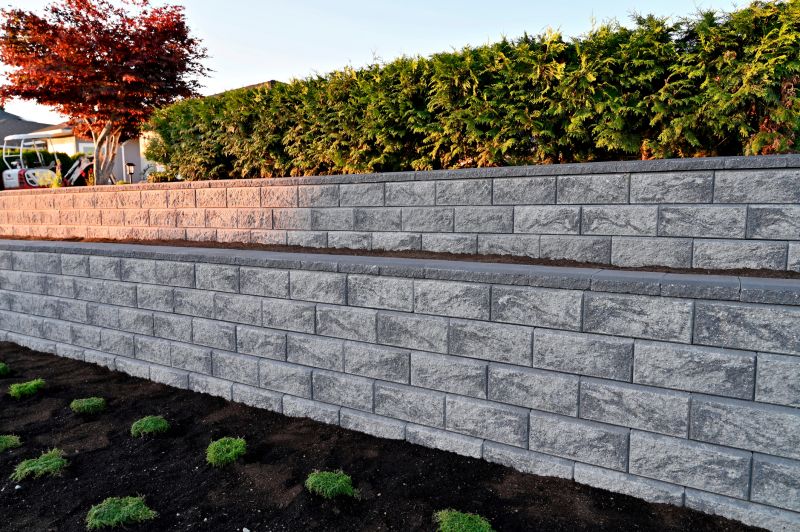
Construction site with prepared foundation for installation.
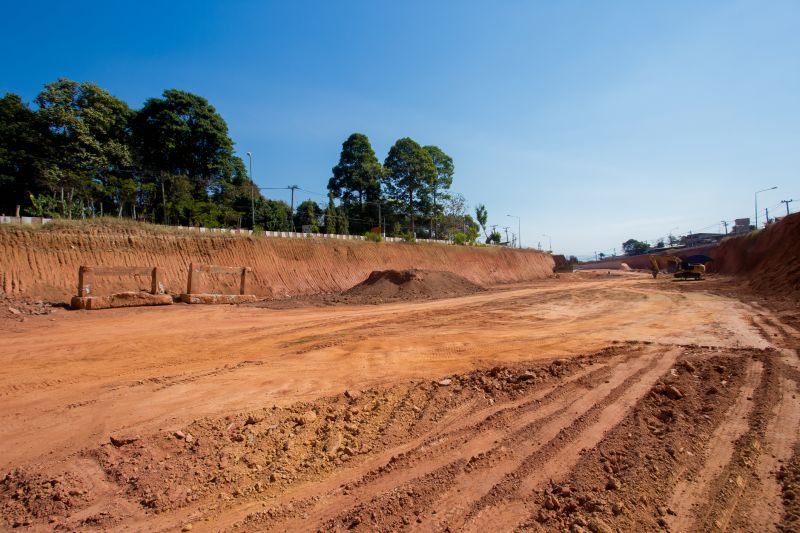
Excavation phase during optimal weather conditions.
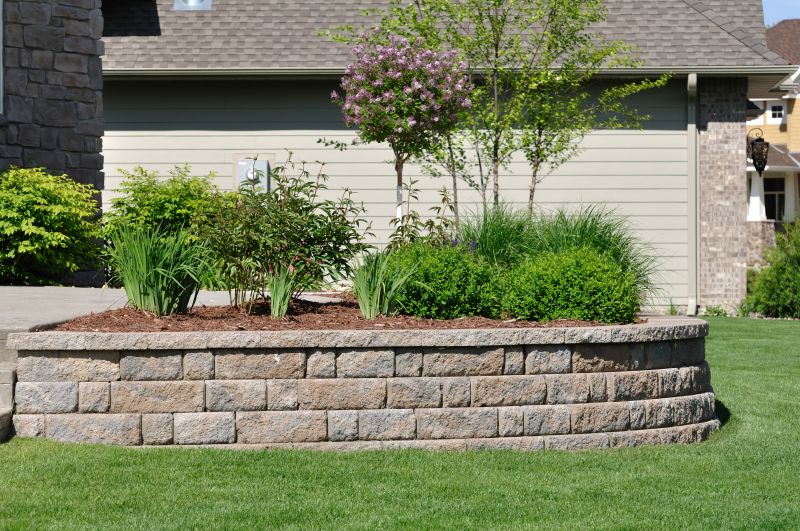
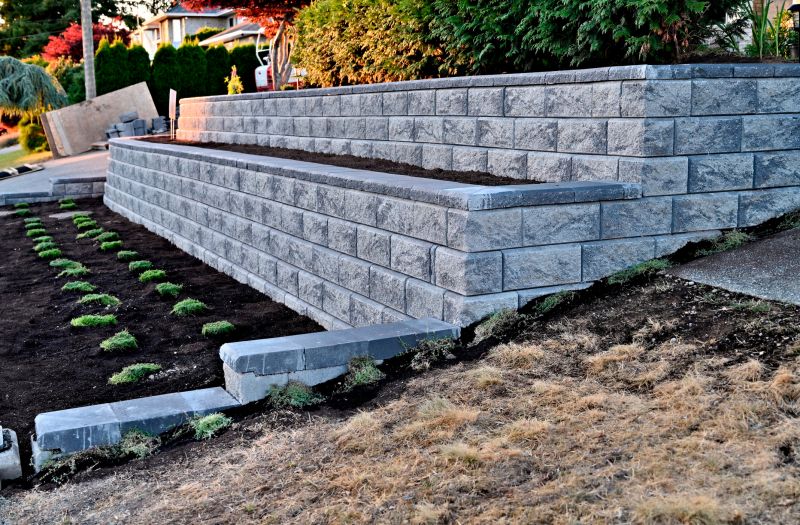
Finished retaining wall in a landscaped setting.
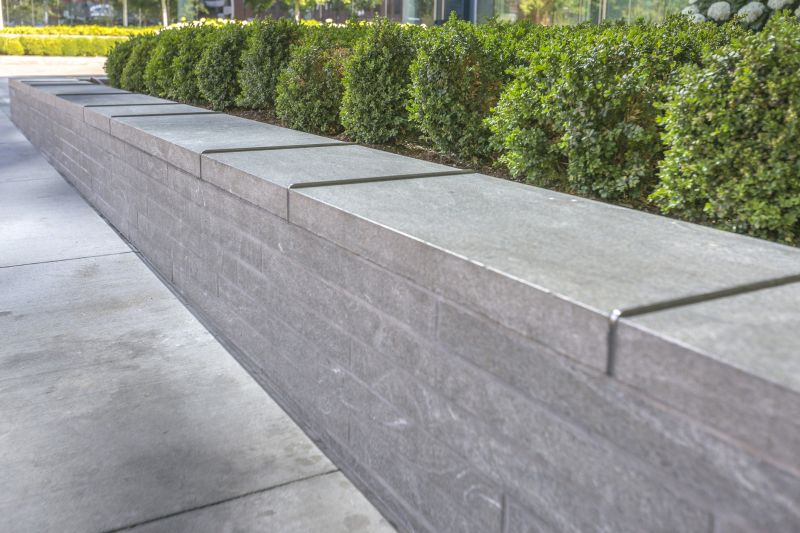
Ways to make Retaining Wall Installations work in tight or awkward layouts.
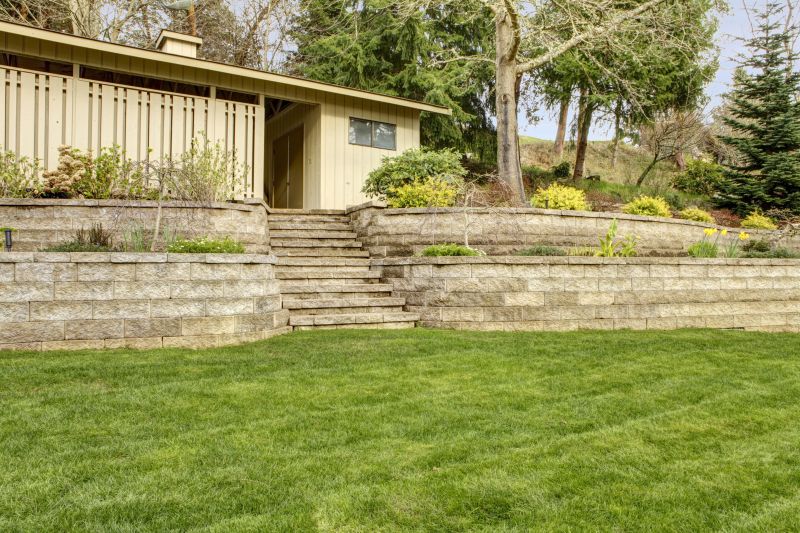
Popular materials for Retaining Wall Installations and why they hold up over time.
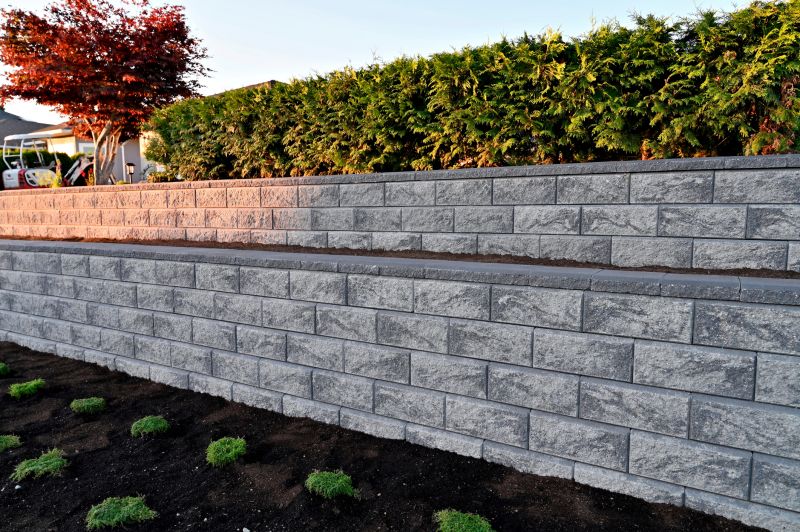
Simple add-ons that improve Retaining Wall Installations without blowing the budget.
| Season | Advantages |
|---|---|
| Spring | Moderate temperatures; ideal for curing and excavation. |
| Summer | Longer daylight hours; suitable if weather is dry. |
| Fall | Cooler temperatures; less rain, good for final installation. |
| Winter | Generally not recommended due to freezing conditions and soil moisture issues. |
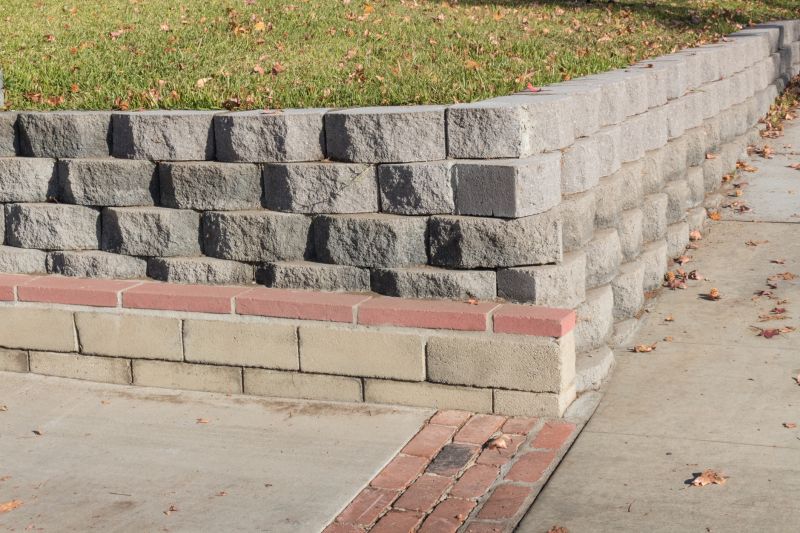
Work underway on a retaining wall in optimal weather.
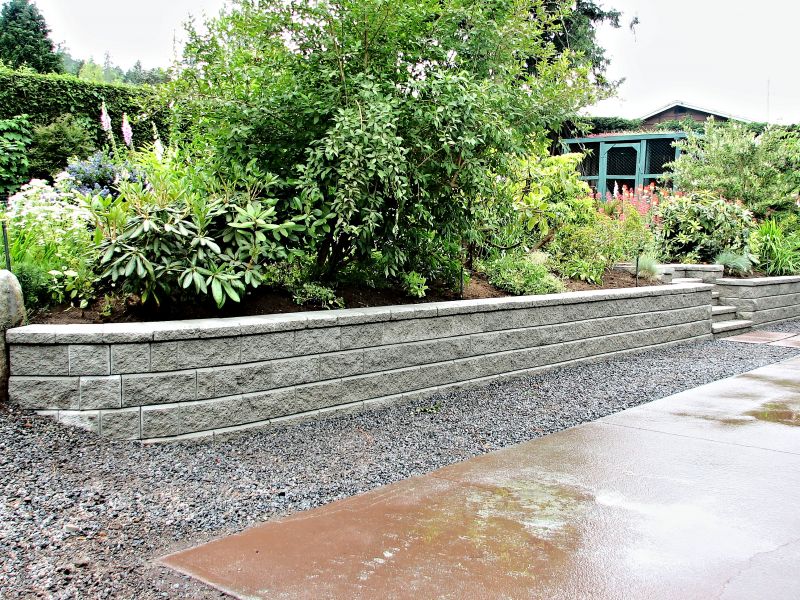
Prepared soil foundation for installation.
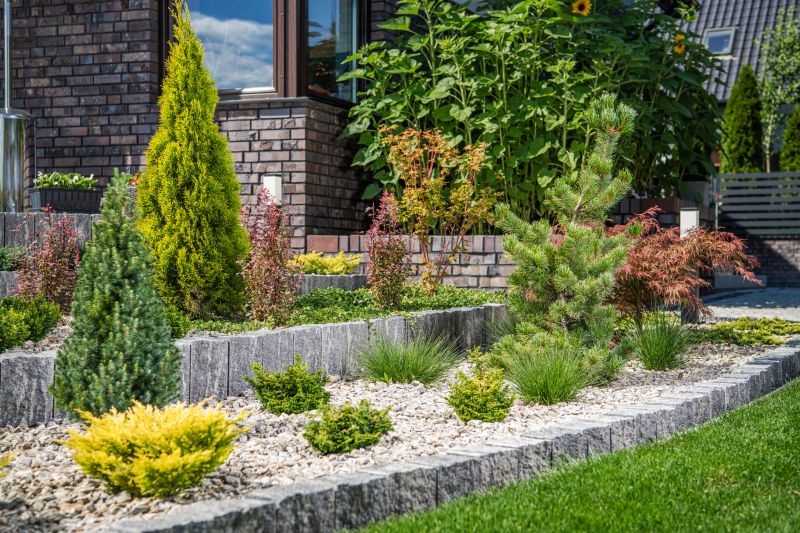
Completed project enhancing landscape aesthetics.
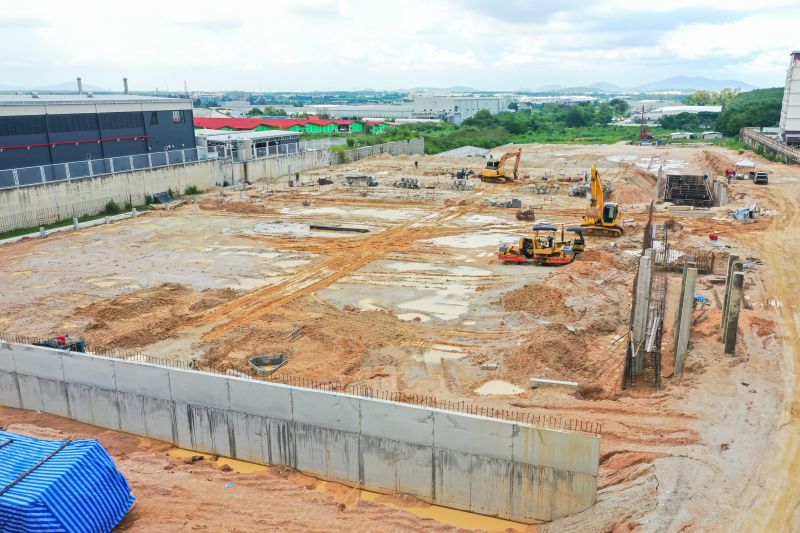
Heavy machinery during installation process.
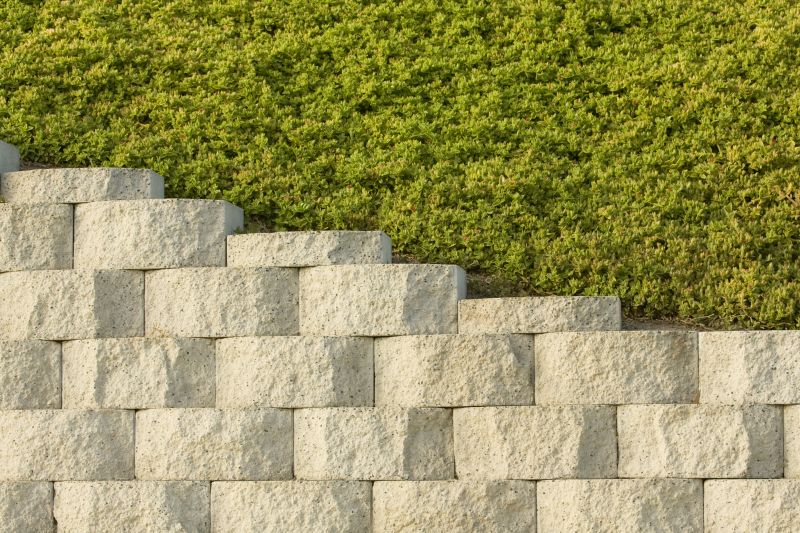
High-end options that actually feel worth it for Retaining Wall Installations.
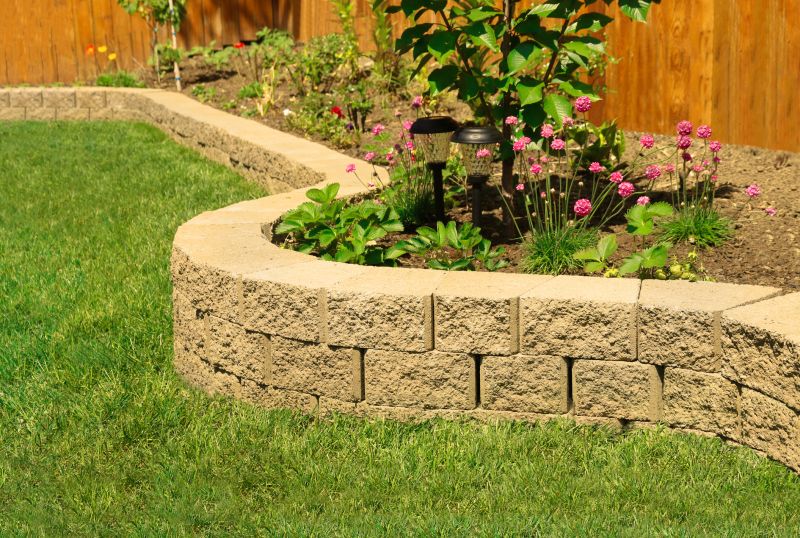
Finishes and colors that play nicely with Retaining Wall Installations.
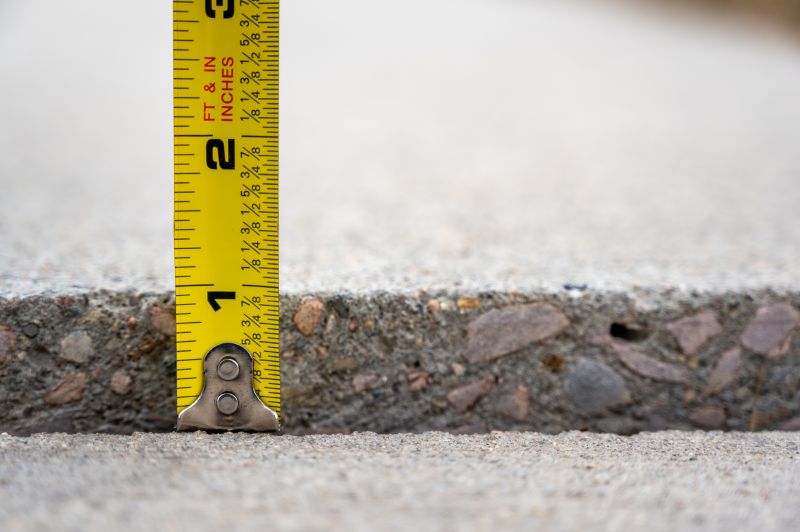
Little measurements that prevent headaches on Retaining Wall Installations day.
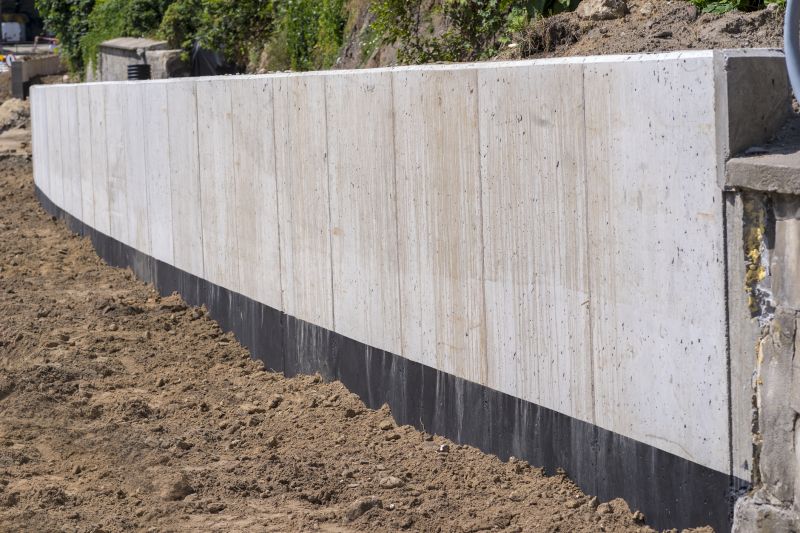
A 60-second routine that keeps Retaining Wall Installations looking new.
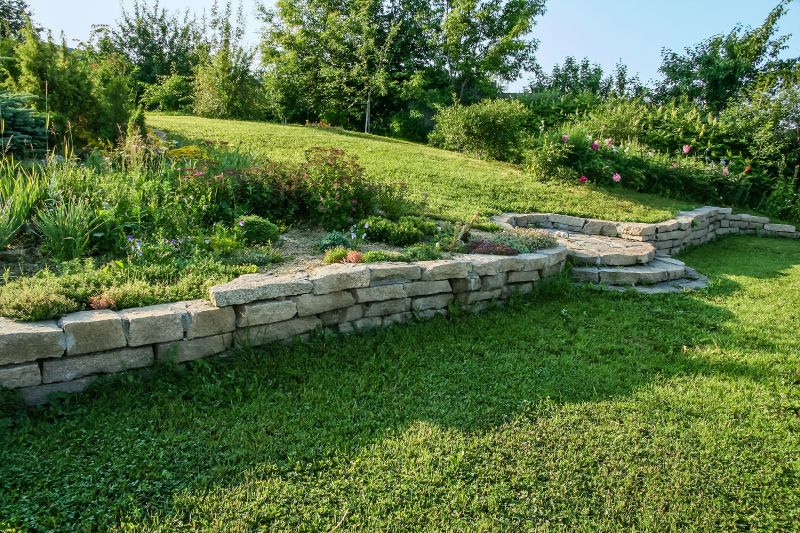
A frequent mistake in Retaining Wall Installations and how to dodge it.
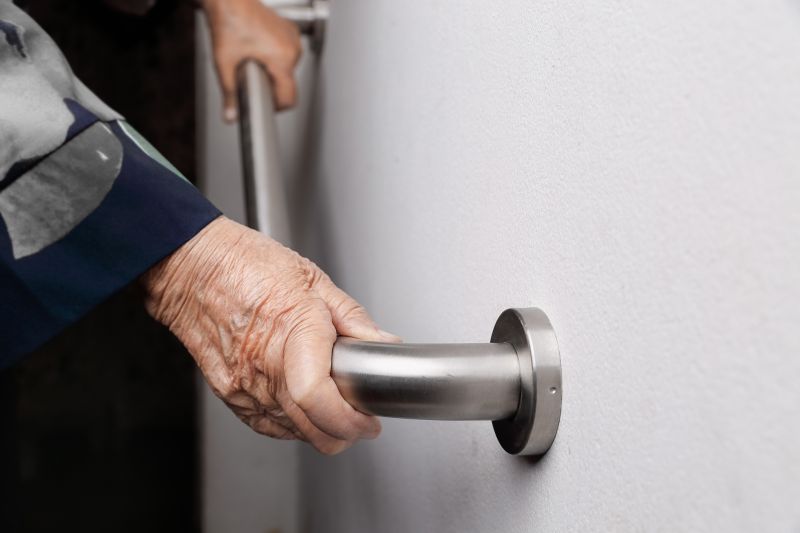
Small tweaks to make Retaining Wall Installations safer and easier to use.
Lower-waste or water-saving choices for Retaining Wall Installations.
The short, realistic tool list for quality Retaining Wall Installations.
Choosing the right time for retaining wall installation can significantly impact project outcomes. Consulting with professionals to assess seasonal weather patterns and soil conditions ensures optimal results and durability of the structure. Proper scheduling aligns construction phases with favorable environmental conditions, reducing delays and potential complications.
Interested in scheduling a retaining wall project? Fill out the contact form to discuss options and timing.