
Leading Supplies For Building Strong and Effective Retaining Walls
Identify top-rated products that help create stable, durable, and visually appealing retaining wall structures.
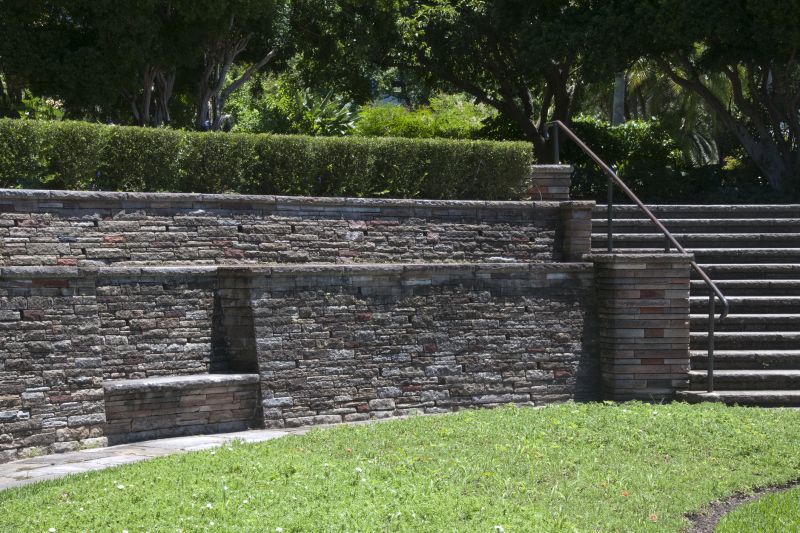 Creating a durable and visually appealing retaining wall involves selecting the right products that can withstand soil pressure and environmental factors. Various materials and components are available to suit different design preferences and functional needs. From modular blocks to natural stone, the options vary in installation methods, appearance, and longevity. Proper planning and understanding of the available products can help ensure a successful installation that meets both aesthetic and structural requirements.
Top Overall Option
Interlocking Concrete Blocks
Interlocking concrete blocks are a versatile and widely used option for retaining walls. They feature a modular design that allows for easy stacking and alignment, providing stability and strength. Their variety of finishes and colors can complement different landscape styles, and their interlocking system helps distribute pressure evenly. These blocks are suitable for a range of applications, from small garden beds to larger retaining structures, making them a practical choice for many projects.
Types of Products For Retaining Wall Installations
Concrete Block Systems
Precast concrete blocks are designed for quick installation and come in various sizes and finishes, offering durability and ease of use.
Natural Stone Blocks
Natural stone provides an organic look and can be stacked with or without mortar for a rustic or elegant appearance.
Segmental Retaining Wall Blocks
These modular blocks often feature interlocking features and are engineered for stability and aesthetic versatility.
Gabion Baskets
Wire mesh baskets filled with rocks or other materials create a permeable and flexible retaining structure.
Timber Retaining Walls
Pressure-treated wood or natural logs are used for a natural look, suitable for smaller or decorative walls.
Concrete Panels
Precast concrete panels are large, flat sections that can be assembled quickly for modern, sleek walls.
Masonry Blocks
Standard masonry units can be laid with mortar for a traditional, sturdy wall.
Poured Concrete
Custom-form poured concrete allows for personalized shapes and designs, often used in larger projects.
Retaining Wall Bricks
Decorative bricks can be used for smaller walls, offering a variety of colors and textures.
Plastic Retaining Wall Panels
Lightweight and weather-resistant, these panels are suitable for decorative or light-duty applications.
Steel Retaining Walls
Steel walls provide strong support and are often used in commercial or industrial settings.
Composite Materials
Composite products combine durability with aesthetic options, often mimicking natural materials.
Popular Choices
A common choice for many DIY and professional projects, appreciated for their ease of installation.
Provides a natural look with flexible installation options, popular for aesthetic appeal.
Widely used for their stability and variety of design options.
Favored for their permeability and natural appearance, suitable for erosion control.
A cost-effective and straightforward option for small or decorative walls.
Versatile and easy to install, offering a range of styles for different landscapes.
Traditional and reliable, suitable for structural support.
Quick to assemble, often used for modern designs.
Popular for small-scale projects and aesthetic accents.
Lightweight and weather-resistant, suitable for decorative purposes.
Offer high strength for large-scale or heavy load applications.
Combine durability with aesthetic flexibility, mimicking natural materials.
Retaining wall products are designed to provide stability and support for soil in landscaping, garden beds, or hillside stabilization. They often incorporate features like interlocking systems, drainage capabilities, and weather-resistant finishes. When choosing products, it is essential to consider the specific site conditions, load requirements, and the desired visual outcome.
Many products are engineered for straightforward installation, making DIY projects feasible for homeowners with some basic skills. Others may require professional assistance for complex or large-scale projects. Regardless of the approach, selecting high-quality materials that align with the project scope can contribute to the wall's durability and appearance over time.
Understanding the variety of available products can help in creating a tailored solution that balances functionality, aesthetics, and budget. From concrete blocks to natural stone, each type offers unique benefits and considerations. Proper selection ensures that the retaining wall will effectively manage soil pressure while enhancing the overall landscape design.
Key Buying Considerations
- Assess the load-bearing requirements based on soil type and expected pressure.
- Consider the aesthetic style and how the material complements your landscape.
- Evaluate the installation method and whether DIY is feasible or professional help is needed.
- Check for weather resistance and durability of the material over time.
- Determine the necessary drainage features to prevent water buildup behind the wall.
- Review the size and shape of the products to ensure they fit your project design.
- Estimate the total number of units needed, accounting for overlaps or cuts.
- Examine the foundation requirements for stability and longevity.
- Factor in maintenance needs and ease of repair or replacement.
- Understand local building codes or regulations related to retaining structures.
- Consider environmental factors like freeze-thaw cycles that may affect material performance.
- Review product warranties or guarantees for added peace of mind.
- Compare costs relative to quality and lifespan to find the best value.
- Look for products with versatile design options to match future landscape changes.
- Ensure compatibility with other materials used in your landscape design.